The Future of Free Speech Online: Who Sets the Rules?

Online free speech is shaped by more than what people are legally allowed to say. Social media platforms decide which posts can stay up, recommendation algorithms influence who sees them, and governments set rules that may affect both. The result is a digital public sphere where expression, safety, privacy, and accountability are constantly negotiated.
There is no single switch that will make online debate both completely open and free of harm. The future will depend on how platforms explain their decisions, how regulators define their role, and whether users have meaningful ways to challenge mistakes.
Free speech in a platform-shaped public sphere
Social media platforms shape the digital public sphere because they host much of today’s public discussion and control how people access it. Their influence comes from private platform policies, product design, and the scale at which posts can travel.
Legal free-speech protections generally limit what governments can punish or restrict; they do not usually require a privately owned service to carry every post. A platform can set rules against threats, harassment, or spam, for example, even when a user’s words are lawful. The details vary by country, and laws may place specific duties on services operating there.
This distinction matters because platforms function as both businesses and communication infrastructure. A user may be able to publish a view legally yet lose an account, have a post removed, or find it difficult to reach an audience under a service’s rules. Those choices affect journalists, activists, public figures, and ordinary users, especially when a small number of companies dominate online conversation.
Access to a platform is not the same as a legal right to be heard on it. Still, when a service becomes central to public debate, its decisions can have public consequences. That does not automatically make every moderation decision censorship in the legal sense, but it does make fairness and accountability worth scrutiny.
The moderation dilemma: openness, safety, and consistency
Content moderation tries to keep platforms usable while allowing a wide range of lawful expression. It must balance openness with user safety, and applying a rule consistently is often harder than writing it.
Platform policies may prohibit direct threats, targeted harassment, deceptive impersonation, or material that exposes someone’s private information. Yet context changes meaning. A graphic image may document an atrocity or be posted to shock viewers; a slur may be used to attack someone or quoted while reporting abuse. Automated filters can miss those distinctions, while human reviewers face high volumes of posts and may lack cultural or linguistic context.
Platforms also make difficult choices about misinformation. False claims about a breaking event can spread quickly, but labeling a disputed claim as false can itself become controversial, particularly when evidence changes or experts disagree. Removing content may reduce immediate harm; leaving it up may preserve discussion and scrutiny. Neither choice is risk-free.
A practical way to judge moderation is to ask three questions: Is the rule clear? Is the response proportionate to the harm? Can the user appeal? A warning, reduced distribution, temporary restriction, and permanent account removal are different interventions. Consistent enforcement should mean applying the same standard to comparable cases, not ignoring context or treating every post identically.
When a platform gives a brief explanation and a workable appeal, users can understand how to correct an error. Where decisions are opaque, both mistaken removals and harmful posts can erode trust.
How algorithms influence what gets heard
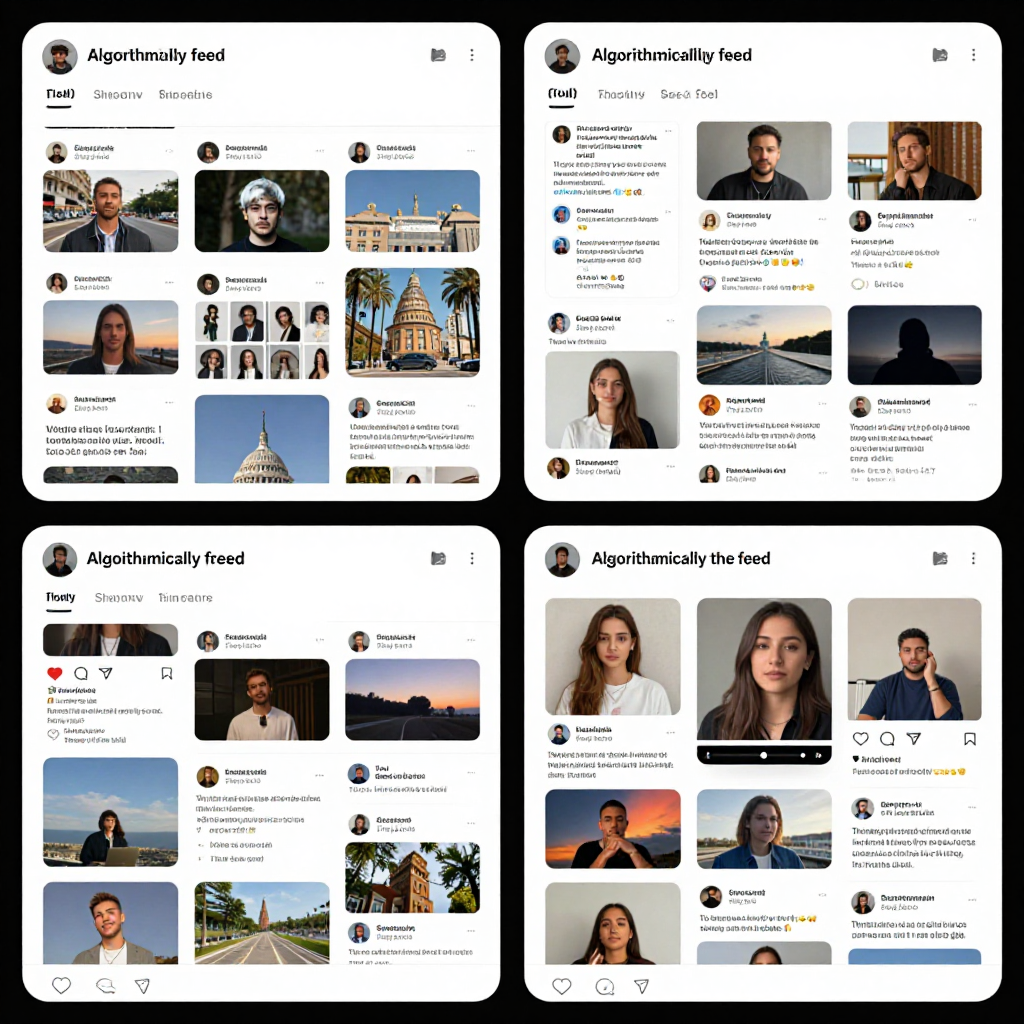
Recommendation algorithms influence online speech by ranking and suggesting content, even when they do not remove a single post. Visibility is a form of power: a message that few people see has less impact than one placed prominently in millions of feeds.
Social media platforms use signals such as a person’s past activity, the recency of a post, and likely engagement to personalize feeds. The precise systems differ, and companies may change them over time. A recommendation can help users find useful reporting or niche communities. It can also reward material that provokes rapid reactions, making inflammatory content more visible than careful explanation.
This does not mean every algorithm favors outrage or that engagement alone determines reach. But ranking choices shape what users encounter, what creators produce, and which topics become prominent. A platform can therefore affect speech through distribution as well as removal. The distinction is important: a post may remain online while receiving less recommendation or appearing lower in a feed.
Platforms can make this influence easier to inspect by explaining the main factors behind recommendations and offering meaningful alternatives, such as chronological feeds or controls to reset personalization. Users should also be able to distinguish paid promotion from organic recommendations. Greater transparency may expose trade-offs and invite criticism; that is part of its value, though disclosure alone does not make a ranking system fair.
Regulation and the question of who decides
Government regulation sets legal boundaries for online services, while platforms create and enforce their own rules within those boundaries. The difficult question is how to protect rights and safety without giving either governments or companies unchecked control over public debate.
Regulatory approaches differ across countries. Some laws focus on illegal content, transparency, or procedures for handling complaints; others may impose obligations that raise concerns about privacy, free expression, or government overreach. The U.S. Constitution’s First Amendment constrains government action in the United States, but it does not create a general requirement for private social media companies to host user speech. Other legal systems draw these lines differently.
Rules designed to remove illegal material can create pressure to take down borderline content quickly, especially when platforms fear penalties. On the other hand, a lack of meaningful oversight can leave users with little recourse when platforms apply their policies unevenly. A sound approach should examine the law’s scope, the evidence required for enforcement, and the review process available to affected users.
Responsibility is shared, but not interchangeable:
- Governments define legal limits and should protect due process and fundamental rights.
- Platforms should publish clear policies, explain enforcement, and offer usable appeals.
- Users can report abuse and assess sources, while recognizing that these steps cannot replace platform safeguards.
Regulation works best when it sets accountable procedures rather than dictating a single acceptable viewpoint. Even then, enforcement requires care: independent review, clear reporting, and privacy protections can reduce the risk of rules being used to silence lawful criticism.
AI, synthetic media, and new challenges
Artificial intelligence makes it easier to create convincing text, images, audio, and video, complicating how platforms assess authenticity and enforce rules. It raises new questions about attribution, misinformation, user privacy, and whether a piece of media should be labeled, limited, or removed.
Synthetic media can support creative work and parody, but it can also impersonate real people or fabricate apparent evidence. A realistic clip may circulate before viewers learn who made it or whether it was altered. Labels and provenance tools can help, but they are not foolproof: labels may be missing, manipulated, or misunderstood, and legitimate uses can be mistakenly treated as deception.
AI is also used in content moderation. Automated systems can flag likely violations at scale, but they may struggle with satire, reclaimed language, regional context, and fast-changing events. Human review can add judgment, although reviewers also make mistakes and cannot examine every post. Using more automated filtering for speed means accepting a greater need for audits and appeals.
Platforms should identify the specific harm they are addressing before choosing a tool. A label may be enough for some altered media; a deceptive impersonation tied to fraud may call for stronger action. Clear explanations, privacy-conscious data practices, and human review for high-impact decisions help keep responses proportionate. Detection is not proof, and a system’s confidence score should not be treated as a final verdict on a person or claim.
What a healthier future for online speech could look like
A healthier future for online speech would combine clear rules, proportionate enforcement, meaningful appeals, and greater visibility into how content is recommended. These principles cannot prevent every mistake, but they can make platform decisions easier to understand and challenge.
Users should be able to find out what rule a post allegedly broke, what action the platform took, and how to request a review. Platforms can publish regular, useful reports about removals, account restrictions, recommendation changes, and appeal outcomes, while protecting personal data. Reports should explain categories and methods clearly enough to reveal patterns, not just offer large totals without context.
Platforms also need to make room for different views without treating all content as equally reliable or harmless. That means distinguishing criticism from targeted abuse, documenting exceptions, and applying standards across political and cultural lines. Independent research can help assess outcomes, provided it does not expose users’ sensitive information or undermine legitimate security protections.
Users have a role, too. Checking the source and date of a sensational post, reading beyond a headline, and correcting errors can improve discussion. These habits will not fix opaque algorithms or inconsistent moderation, but they can reduce the reach of some misleading claims.
The central test is practical: can people understand the rules, challenge consequential mistakes, and express lawful views without facing arbitrary treatment? If platforms and regulators answer that question with transparent processes and safeguards, online debate can remain open while taking real risks seriously.
Frequently asked questions
Is free speech online the same as free speech under the law?
No. Legal free-speech rights usually concern limits on government action, and the precise protections depend on the country. A private platform can generally set its own content rules, subject to applicable laws.
Who decides what is allowed on social media?
Platforms set and enforce their community policies, while governments determine the laws that apply to them. Users can report content and appeal decisions, but they do not usually decide individual cases directly.
Can content moderation protect users without suppressing debate?
Moderation can reduce threats, harassment, and other harms while preserving discussion, but no system will be error-free. Clear standards, proportionate responses, context-sensitive review, and meaningful appeals help reduce unnecessary restrictions.
How might AI change online free speech?
AI can generate persuasive synthetic media and automate moderation, affecting trust, attribution, and visibility. Labels, audits, human review, and ways to challenge decisions can help address those risks without treating automated judgments as infallible.